
SESSION C
Independent Professional Judgement in the Public Interest
April 14, 2026 | 12:00 p.m. - 1:30 p.m.
Using independent judgement is the essence of professionalism, and it is important for professional geoscientists to have the mindset and tools that make that kind of judgement natural. This session presents three talks that will encourage critical thinking around exploration and mining projects.
Professionals working on mining projects need to consider the "big picture" of a mine's life cycle from exploration through evaluation, construction, and production to closure. Thinking ahead to possible environmental impacts during exploration and evaluation ensures that projects are on a sound scientific footing that will protect the natural environment during and after extraction. This includes understanding the complex geochemical systems associated with mine wastes and the long-term environmental implications they may present.
Discovery is the hoped-for large payoff from mineral exploration, and the promise of large payoffs can feed false hopes with claims that are not based in sound science. In some cases, offered geophysical or assaying methods may promise sensitivity or results far beyond the capabilities of standard practices. Such claims may be merely overly optimistic about the chance of success, misunderstand the complexity of the science or, sometimes, dishonest.
Professionals responsible for technical decisions must be able to critically evaluate all claims and recognize those that are not supported by science to ensure that exploration strategies and investment decisions remain grounded in sound geoscientific practice.
The presentations explore examples from geophysics, geochemistry, and assaying detailing some warning signs geoscience professionals need to be aware of, and some tactics that can logically, scientifically, and defensibly test these methods.
Partner Sponsor:

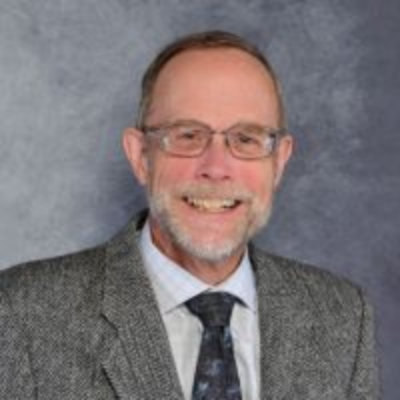
Jim Whyte, P.Geo., FGC
|
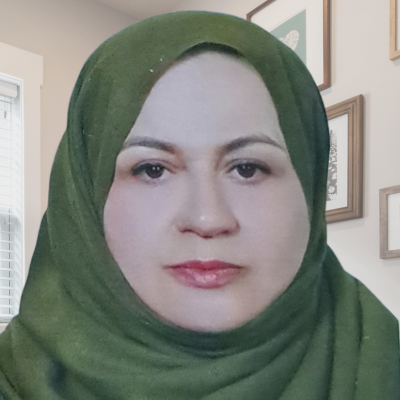
Fereshteh Arab, GIT
|
Geophysics has played an important role in resource exploration for over 100 years. It has always attracted entrepreneurs unfamiliar or unconcerned with the laws of physics and realities of geology. Misguided scientists might erroneously think they have found ways to bend or ignore scientific principles. In some cases, individuals promote questionable products or interpretations to an exploration market eager for competitive advantage.
This talk will be about that “Dark Side” of geophysics: mostly how a non-expert can recognize when the promises are too good to be true, and when to get expert analysis before spending money. There are a half-dozen characteristics that most people can evaluate that might raise a red flag, analogous to “If it seems too good to be true…”. This talk will explain those characteristics, like impossible promises or hiding from expert review, with some examples of questionable sales pitches or unreliable geophysical claims. It will also discuss some of the problems with regulating this challenging corner of the science.
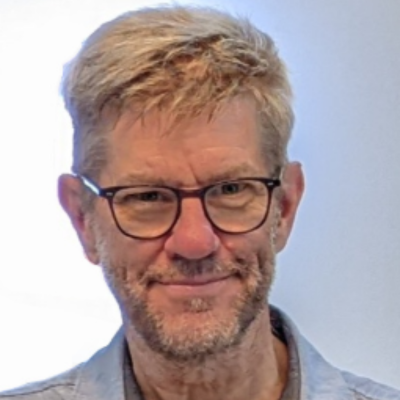
Mine waste storage facilities are extremely large structures that develop into complex geochemical systems influenced by many interacting processes. Effluent produced from mine wastes is the result of the coupling of mineralogical, climatological, and physical processes that requires comprehensive characterization to adequately quantify spatial and temporal changes in geochemistry. The difficulty of characterization is compounded by the protracted time periods that need to be considered for effective management of mine wastes.
Collection of appropriate data early and throughout a project will facilitate future decisions but should be treated as an iterative and adaptive process. Research case studies will be used as examples to consider for longer-term planning of characterization and monitoring programs.
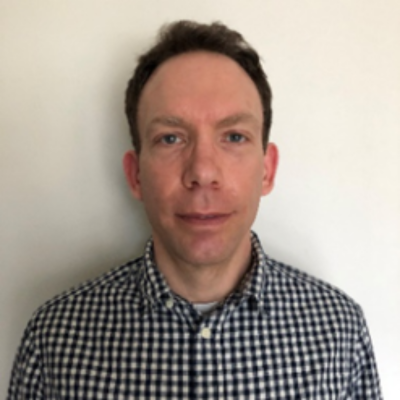
Mineral exploration is a difficult pursuit with a potentially large payoff for its rare successes. For both prospector and investor, anything that promises to shortcut the hard stuff or to prove success attracts wishful thinking and unsupported claims.
Precious metal exploration has long been affected by unreliable or poorly conducted assaying, and one peak period happened in the 1990s. The claims shared some consistent traits: they were secret or "proprietary", they depended on one lab or one assayer, and they used complex-sounding technical language that obscures weak or unsupported claims.
Carefully exercising classical scientific method, skepticism, and common sense will usually expose questionable assaying claims. This presentation will offer some ways to recognize and test dubious assaying claims.